
Tra-Cal Lab Blog & Resources
Validating AI Tools in ISO/IEC 17025 Calibration Labs
AI tools that support uncertainty analysis, anomaly detection, or record review fall under the software requirements of ISO/IEC 17025:2017. Validation, documented operating boundaries, change control, and audit trail discipline are required before AI can support calibration decisions in an accredited lab.
How to Build a Measurement Uncertainty Budget for Pressure Calibration
A measurement uncertainty budget is the technical artifact that determines whether a pressure calibration is accepted, rejected, or guard-banded. This article walks through a complete pressure uncertainty budget the way a metrologist would build it, including the contributors that are commonly underweighted.
How to Prepare for an ISO/IEC 17025 Surveillance Audit
ISO/IEC 17025:2017 surveillance audits are predictable in structure but unforgiving in detail. Common findings cluster in four areas: scope drift, traceability gaps, decision rule inconsistencies, and corrective action backlog. This guide walks a quality manager through closing each before the assessor arrives.
NIST Traceability and Accredited Calibration: The Practical Difference
A vendor can claim NIST traceability without being accredited, and an accredited laboratory can have parts of its work outside the scope of accreditation. Understanding what each claim actually requires, and how to verify both on a calibration certificate, is the simplest risk reduction available to procurement and quality teams in regulated industries.
On-Site Calibration vs Ship-In Calibration: A Decision Guide
The decision to calibrate on-site or ship-in is rarely about cost. It is about instrument criticality, downtime tolerance, environmental sensitivity, transportation risk, and validation status. This guide provides a five-factor decision framework for mixed instrument fleets in regulated environments.
Qualifying a Calibration Provider for FDA and AS9100 Procurement
Procurement of calibration services in FDA and AS9100 environments requires more than a generic vendor checklist. This guide covers scope-of-accreditation verification through accreditation-body directories, decision rule contract language, out-of-tolerance notification SLAs, and the supplier qualification audit questions a regulated buyer should be asking.
What AI Gets Wrong About Calibration: Why Measurement Integrity Still Starts With a Certified Technician
AI can predict when instruments may drift, but it cannot calibrate them. That distinction could define your next audit outcome.
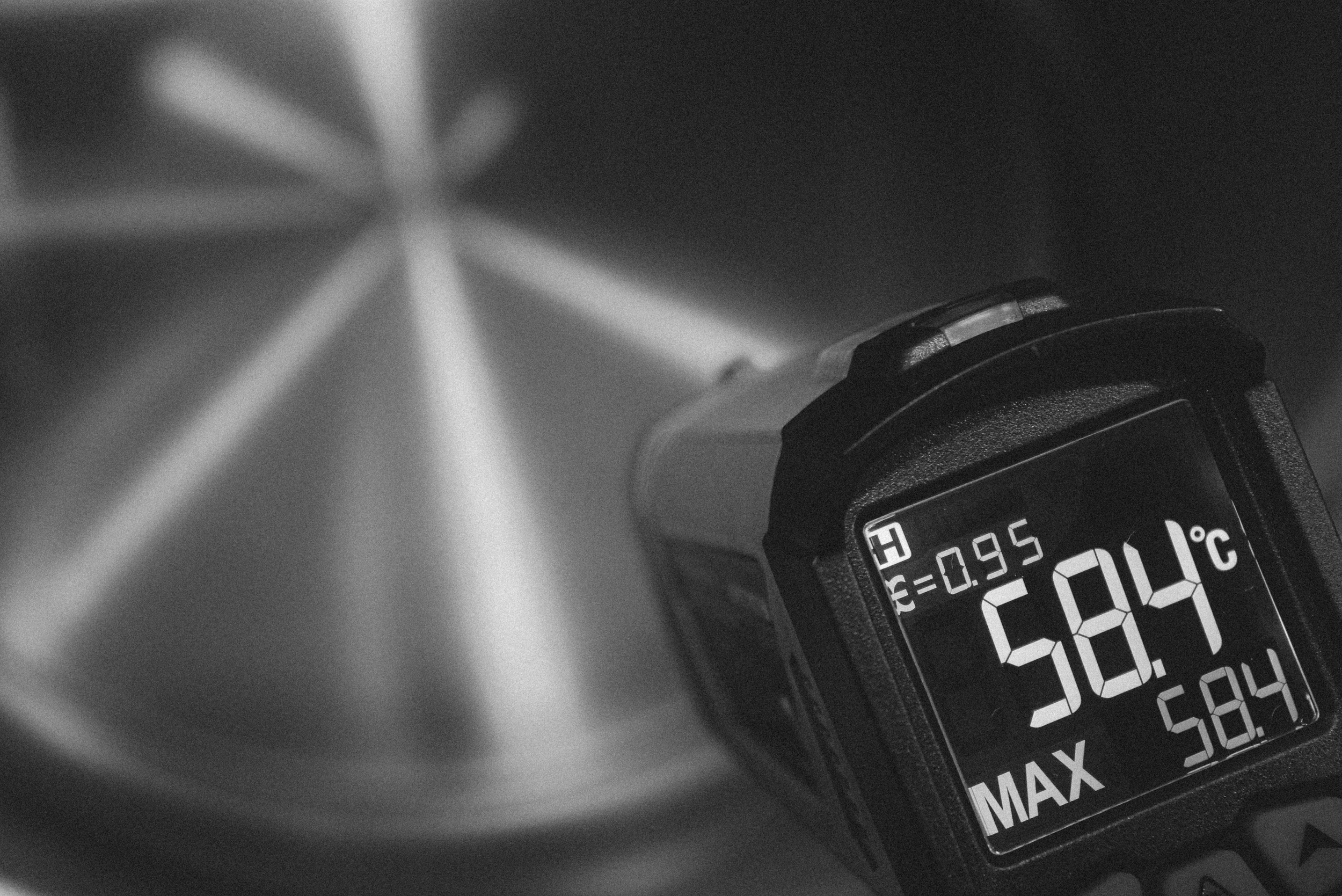
Humidity Calibration: Why Measurement Drift in Controlled Environments Is a Compliance Problem, Not Just a Technical One
Humidity sensors drift quietly. There are no alarms, no error codes, and no visible signs that the number on your display has moved outside its specified tolerance. But in pharmaceutical cleanrooms, aerospace test environments, and semiconductor fabrication facilities, that drift creates real compliance risk. This article explains why humidity calibration is a quality system requirement, what accredited calibration actually delivers, and how Tra-Cal's ISO/IEC 17025 accredited services protect your audit trail and your measurement integrity.
How We Use AI in a Calibration Laboratory
Modern AI models can be configured to follow specific instructions, operate within defined boundaries, and produce consistent, repeatable outputs. That makes them a practical fit for calibration laboratory workflows — when implemented with the same rigor applied to every other tool in the lab.
When Your Warning System Has No Warning: The Case for Calibrating Thermal and Acoustic Instruments
Most predictive maintenance programs track inspection frequency. Very few verify the calibration status of the instruments doing the inspecting. A thermal camera or acoustic imager that has drifted out of tolerance will still display numbers, log data, and generate reports — all of it unreliable. This article breaks down why calibrating your thermal and acoustic instruments is not optional in regulated environments, and how ISO/IEC 17025 accreditation gives your program the documented foundation it needs to hold up under audit.
What Your Calibration Lab Won't Tell You: 10 Questions You Must Ask
Calibration providers emphasize price while concealing accreditation gaps, unqualified technicians, and poor measurement uncertainty analysis. Learn ten critical questions that reveal what sales representatives won't volunteer about technical competence, service quality, and industry expertise before you commit to a calibration lab.
What Happens When Calibration Expires? Understanding Out-of-Tolerance Risk
Expired calibration creates compliance violations, audit findings, and costly product investigations. Learn what actually happens when equipment operates past calibration due dates, how regulators and auditors respond, and why proactive calibration scheduling prevents the investigation burden and customer notification requirements that follow calibration expiration.
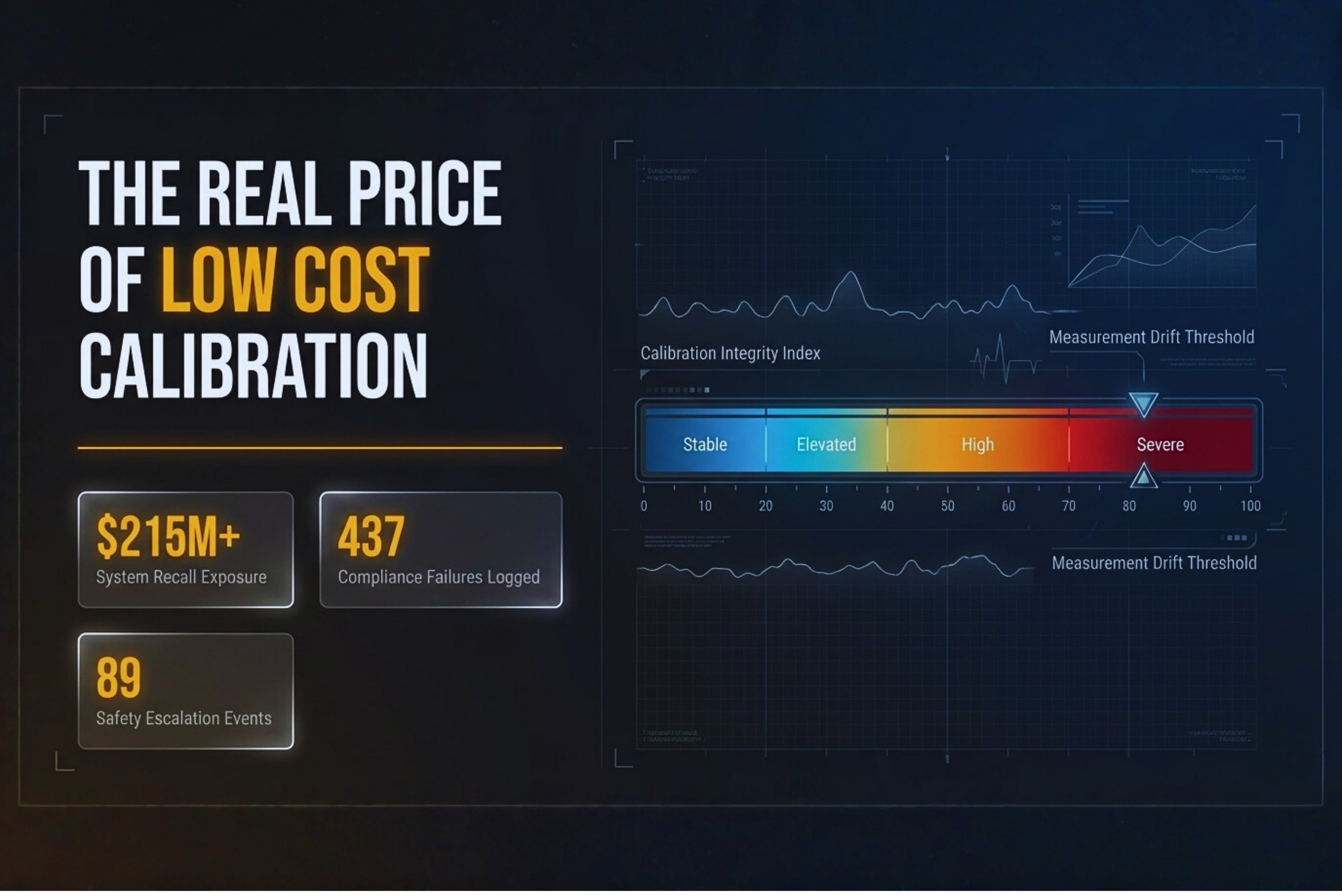
The Real Price of Low-Cost Calibration
Budget calibration creates hidden costs through compliance failures, product recalls, and audit findings. Learn why selecting calibration labs based on technical competence rather than lowest price protects quality, reduces risk, and delivers better long-term value than bargain providers who compromise measurement integrity.

Power and Energy Calibration: Protecting Grid Reliability and Revenue
Power and energy operations demand precision calibration for protective relays, revenue meters, and emissions monitoring systems. Learn how ISO 17025 accredited calibration services protect grid reliability, ensure NERC compliance, and prevent costly measurement errors in generation and transmission facilities

Why Accredited Calibration Labs Are Critical to Quality Assurance and Compliance
ISO IEC 17025 accredited calibration labs provide documented traceability, validated measurement uncertainty, and defensible calibration certificates that protect quality systems and regulatory compliance.
The Role of Calibration in Regulatory Compliance: FDA, ISO 9001, and AS9100
Calibration is foundational to regulatory compliance under FDA, ISO 9001, and AS9100 standards. Learn how documented measurement traceability, interval control, and accredited calibration services protect audit readiness and product quality.
How to Choose the Right Calibration Interval for Your Instruments
Choosing the right calibration interval is critical to protecting measurement accuracy, regulatory compliance, and operational efficiency. Learn how to balance risk, stability, and industry standards to build a smarter, data-driven calibration program.
Building an Effective Calibration Management Program
A well-designed calibration management program does more than satisfy audit requirements. It protects product quality, reduces operational risk, and ensures measurement confidence across your organization. By establishing strong inventory control, selecting qualified ISO IEC 17025 accredited providers, defining risk-based calibration intervals, and maintaining complete documentation, organizations can build a proactive system that supports compliance, consistency, and long-term operational performance.

How Tra-Cal Helps Clients with Laboratory Calibration Services
Tra-Cal delivers laboratory calibration services that keep critical equipment accurate, compliant, and audit-ready. From temperature devices to chromatography systems, we provide NIST-traceable calibration, complete documentation, and strategic support that helps pharmaceutical, biotech, medical device, and research labs operate with confidence in demanding regulatory environments.
Tra-Cal Earns Contractor Performance Assessment Reporting System (CPARS) Recognition Through Execution
Independent CPARS feedback from the NIST CHIPS R&D program reflects Tra-Cal’s commitment to precision, disciplined execution, and collaborative delivery - recognizing performance across quality, schedule, cost control, management, and compliance.